
5 Common Insurance Claims for Corporate Campaigns and Public Events — and How to Avoid Them
Why Corporate Campaigns Carry Unique Insurance Risks
Corporate campaigns and public events create a risk profile that standard business operations simply don't replicate. When your brand moves off-site — into convention centers, outdoor venues, or public spaces — your exposure to liability expands dramatically, often in ways that existing commercial policies weren't designed to cover.
Think about what a branded activation actually involves: temporary structures, hired vendors, crowds of attendees, rented AV equipment, and a compressed timeline where problems compound quickly. A catering contractor's oversight, a wet floor near the registration desk, or an unexpected storm can trigger claims that run well into six figures.
The core challenge is that many organizations treat event insurance as an afterthought — something to arrange in the final week before launch. By then, coverage gaps are already baked in. Understanding the five most common claim types gives risk managers and event planners a concrete framework for closing those gaps before they become expensive lessons.
Claim #1 — Bodily Injury to Attendees or Staff
Bodily injury claims are the single most frequent category in corporate event insurance. They arise when an attendee slips, a staff member is struck by equipment, or a participant is injured during an activity — and the organizing company is found to have breached its duty of care.
The financial exposure is significant. Medical costs, lost wages, and legal defense fees can accumulate rapidly, especially when the injured party pursues litigation. General Liability Insurance is the foundational layer here, but the policy limits and exclusions matter enormously.
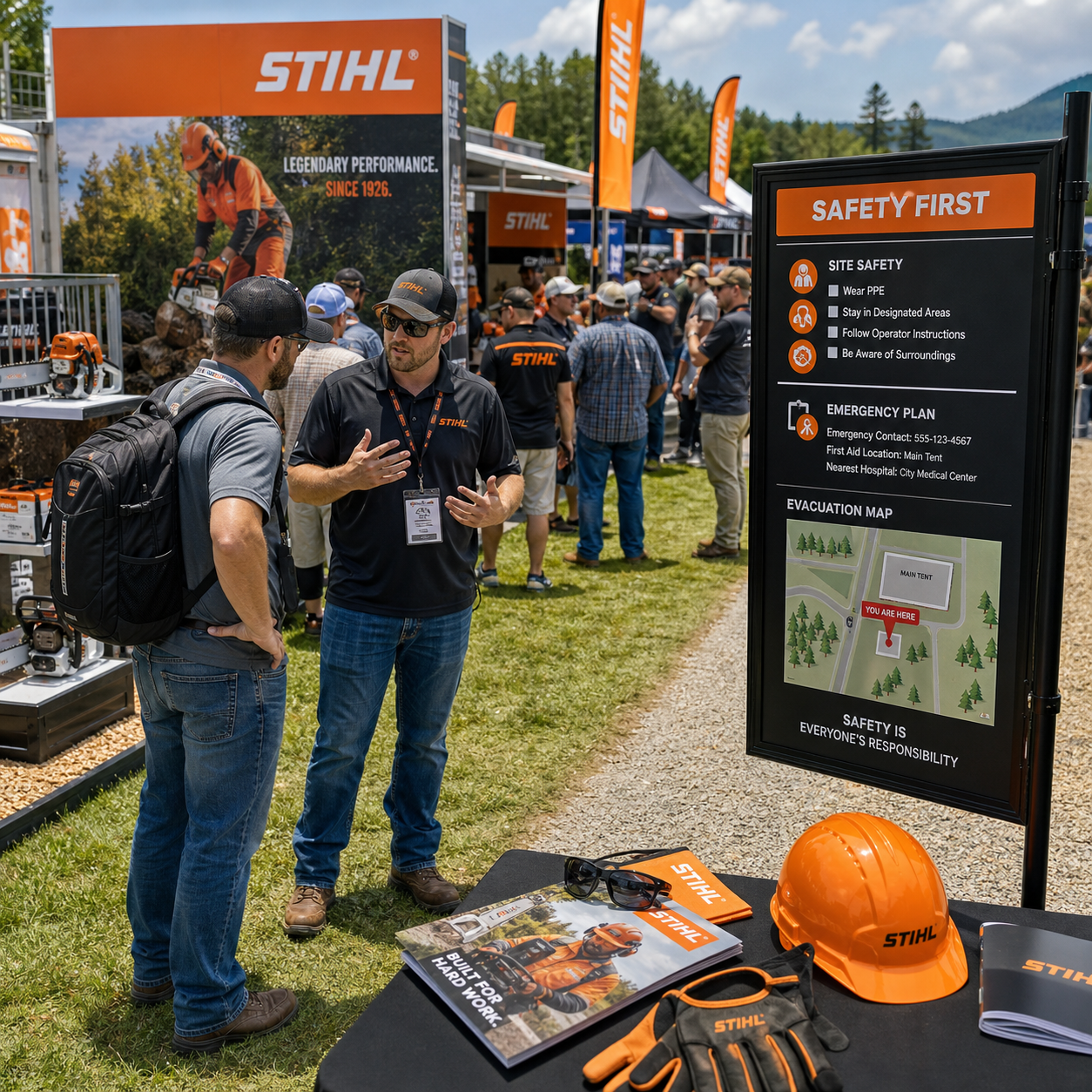
Prevention starts well before the event opens. A formal risk assessment should map every physical space for hazards — uneven flooring, low clearance, crowd pinch points, and emergency exit access. Clear signage, adequate staffing at high-traffic areas, and documented safety briefings for all event personnel are not just best practices; they're evidence of due diligence if a claim is ever filed.
One practical step that gets overlooked: require all on-site staff and volunteers to complete a brief safety orientation on the day. It takes 20 minutes and creates a paper trail showing the organizer took the duty of care obligation seriously.
Claim #2 — Property Damage to Venues and Equipment
Property damage claims occur when rented venues, AV systems, staging, or third-party assets are damaged during setup, the event itself, or teardown. Venues routinely hold the organizing company responsible for any damage beyond normal wear — and those contracts often specify replacement cost, not depreciated value.
The numbers can surprise even experienced planners. A scratched hardwood floor in a premium venue, a dropped projector, or a flooded exhibition area from a plumbing incident can generate claims ranging from a few thousand dollars to well over $50,000 depending on the asset.
Three steps significantly reduce exposure here:
- Pre-event walkthrough with venue management — document existing damage with timestamped photos before any equipment moves in.
- Collect Certificates of Insurance (COIs) from every production company, AV supplier, and decorator before they access the space.
- Confirm that your event policy includes third-party property damage coverage, not just damage to assets you own.
Damage deposits are a venue's protection mechanism, not yours. Your protection is a properly scoped property damage clause in your event liability policy — and the documentation to defend it.
Claim #3 — Vendor or Contractor Negligence
When a hired vendor causes harm at your event, the injured party will often pursue the organizing company first — because you contracted the vendor and invited the public. Vendor negligence claims are particularly complex because liability can sit with the contractor, the organizer, or both, depending on contract language and applicable law.
Common scenarios include: a catering company that causes a food safety incident, a security firm whose personnel act inappropriately, or a production crew that improperly rigs a structure that later fails. In each case, the organizing company's name is on the event — and often on the hook.
The most effective mitigation strategy is contractual and administrative, not reactive:
- Require every vendor to carry their own Public Liability coverage with limits appropriate to their scope of work.
- Collect a valid Certificate of Insurance (COI) naming your organization as an additional insured before any vendor accesses the event site.
- Include indemnification clauses in all vendor contracts that require them to hold harmless and defend your organization from claims arising from their negligence.
A COI is not just a formality. It's the document that determines whether a vendor's insurer — rather than yours — responds to a claim. Missing or expired COIs are one of the most common oversights that lead to denied claims or unexpected out-of-pocket costs.
Claim #4 — Event Cancellation or Postponement Losses
Event cancellation insurance protects against the financial losses that result when an event cannot proceed as planned due to circumstances beyond the organizer's control. These losses can include non-refundable venue deposits, pre-paid vendor fees, marketing spend, and lost ticket or sponsorship revenue.
The triggers for cancellation claims are broader than most planners expect. Severe weather, a key speaker's sudden illness, venue damage, or a government-mandated restriction can all qualify — provided the policy is structured correctly and the trigger event meets the policy's definition of a covered cause.
This is where force majeure clauses in venue and vendor contracts intersect with insurance coverage. A force majeure clause may release a venue from its obligations without refunding your deposit — leaving you exposed unless your cancellation policy explicitly covers that scenario. Review both documents together, not separately.
The most important timing consideration: event cancellation insurance typically must be purchased before any known threat materializes. If a hurricane is already named and tracking toward your event city, coverage for that specific storm is likely unavailable. Purchasing coverage 90 to 180 days before the event date is a reasonable benchmark for most corporate activations.
Claim #5 — Reputational or Media Liability During Public Campaigns
Media liability claims are among the least anticipated risks in corporate event planning — but they're increasingly relevant as branded campaigns extend across social media, live streaming, and experiential marketing. This category covers claims arising from unauthorized use of images or likeness, defamation, copyright infringement, and privacy violations that occur in connection with a public campaign.
A practical example: an event photographer captures and publishes images of attendees without proper consent, or a live social media post includes background music that triggers a copyright claim. Neither scenario involves physical harm, but both can generate legal costs and reputational damage that standard General Liability policies won't cover.
Media liability coverage — sometimes embedded in a broader errors and omissions policy — addresses these exposures. Key preventive steps include:
- Using clearly worded photo and video consent language in event registration and on-site signage.
- Briefing social media teams on content restrictions before the event goes live.
- Ensuring all branded content, music, and imagery used at the event is properly licensed.
The reputational dimension matters too. A social media incident during a high-profile corporate campaign can generate press coverage that outlasts the event itself. Insurance helps with costs; preparation helps with everything else.
Building a Pre-Event Risk Management Checklist
A structured pre-event checklist is the most practical tool for reducing claim likelihood across all five categories. The goal is to move from reactive to systematic — addressing exposures methodically rather than responding to problems after they occur.
Work through these steps for every corporate campaign or public event:
- Conduct a formal risk assessment at least 60 days before the event, covering venue hazards, crowd management, emergency procedures, and vendor dependencies.
- Confirm insurance coverage scope — verify that your event policy covers bodily injury, property damage, vendor negligence, cancellation, and media liability. Don't assume your existing commercial policy extends to off-site events.
- Collect COIs from all vendors with your organization listed as an additional insured. Set a hard deadline at least two weeks before the event date.
- Review all contracts for force majeure clauses, indemnification language, and cancellation terms before signing.
- Document the pre-event condition of all rented venues and equipment with timestamped photos.
- Brief all staff and volunteers on safety protocols, emergency procedures, and media consent policies.
- Purchase event cancellation insurance as early as possible — ideally when deposits are paid and financial commitments begin.
No checklist eliminates risk entirely. But systematic preparation creates a defensible record of due diligence, reduces the likelihood of preventable claims, and puts your organization in a much stronger position if a claim is ever filed.
Frequently Asked Questions
What insurance policies are mandatory for corporate public events?
Requirements vary by venue, jurisdiction, and event type, but most corporate public events will need General Liability Insurance at minimum. Many venues mandate a specific coverage limit — commonly $1 million or $2 million per occurrence — and require proof via a Certificate of Insurance before granting access. Some jurisdictions also require Public Liability coverage for events open to the general public. Always check venue contracts and local regulations early in the planning process.
Does standard business liability insurance cover event-related claims?
Often only partially. Standard commercial general liability policies typically cover operations at your primary business location. Off-site events, temporary structures, and activities outside normal business operations may fall into exclusion zones. Review your existing policy carefully with your broker, and consider a standalone event liability policy or a rider that explicitly extends coverage to the specific event.
How far in advance should event insurance be purchased?
For most corporate campaigns, purchasing coverage 90 to 180 days before the event date is advisable. Event cancellation insurance in particular needs to be in place before any known risks — weather threats, health alerts, or political instability — emerge. Waiting until the final weeks limits your options and may exclude coverage for foreseeable disruptions.
What happens if a vendor causes an incident — who is liable?
Liability depends on contract language, the nature of the incident, and applicable law. In many cases, the organizing company faces initial exposure as the primary event holder, even if a vendor's negligence caused the harm. This is why requiring vendors to carry their own coverage and naming your organization as an additional insured on their policy is so important — it routes claims to the correct insurer from the outset.
Can event cancellation insurance cover losses from low attendance or budget overruns?
No. Event cancellation insurance covers losses from specific unforeseen external causes — weather, venue damage, illness, government restrictions — not from commercial underperformance. Low ticket sales, poor marketing results, or budget overruns are business risks, not insurable events. Understanding this distinction helps planners set realistic expectations for what cancellation coverage actually protects against.