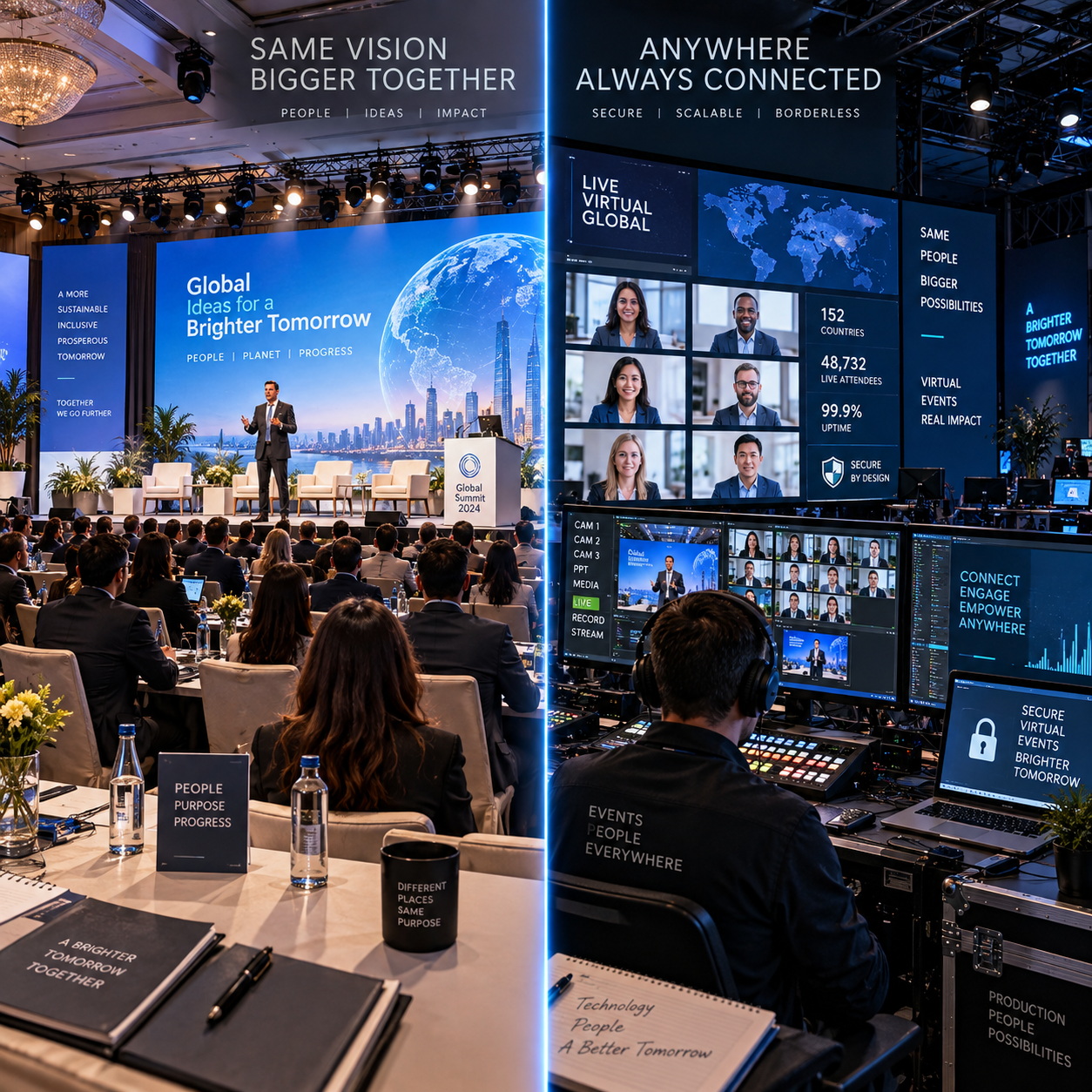
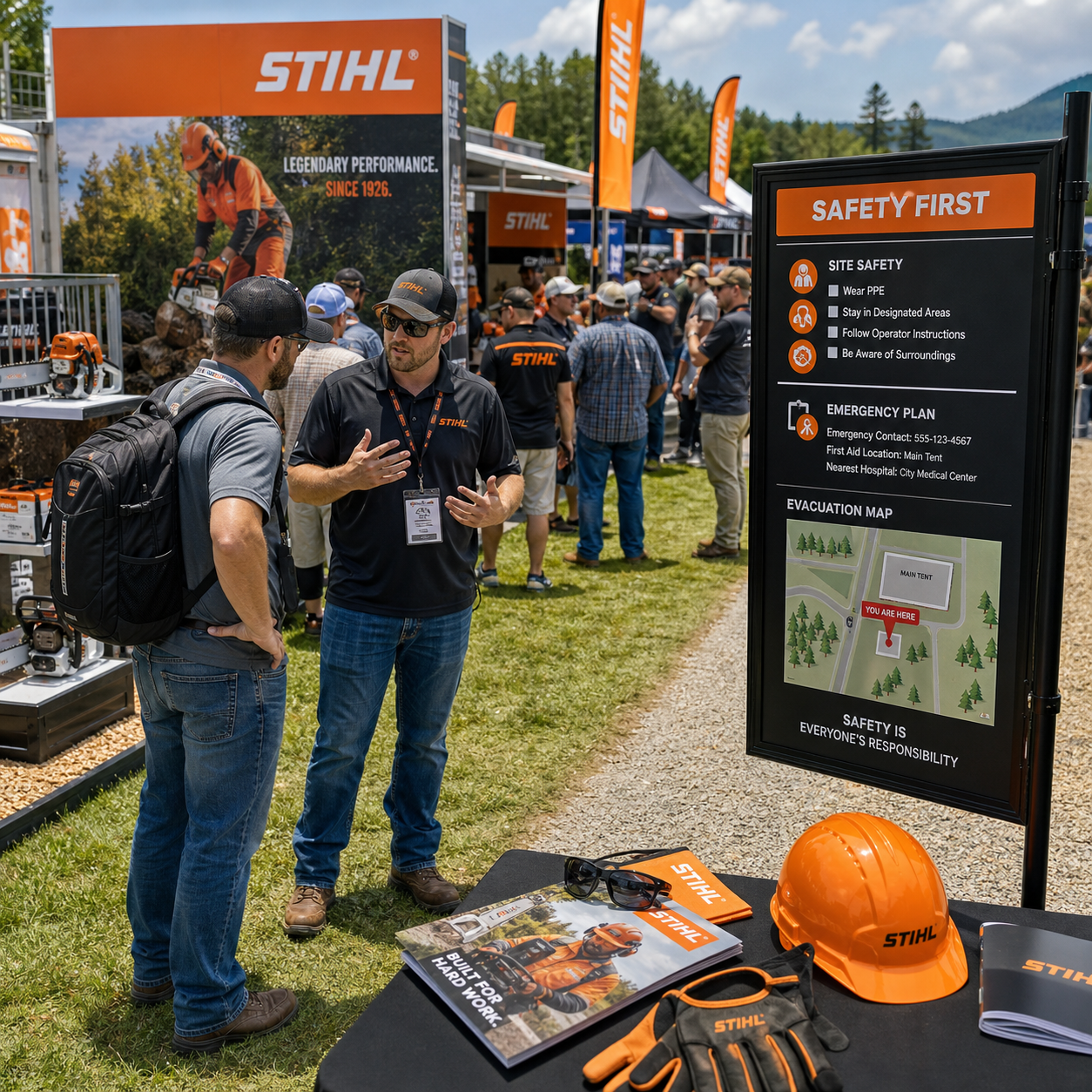

The Ultimate Guide to Corporate Event Insurance: What You Need to Know
Planning a corporate event involves dozens of moving parts — venues, vendors, guest lists, catering, AV equipment. Insurance is usually the last item on the checklist, but it's the one that can save your company from a six-figure loss if something goes wrong. This guide walks through everything a business needs to know about corporate event insurance, from basic definitions to the practical steps of securing the right policy.
What Is Corporate Event Insurance?
Corporate event insurance is a specialized policy that protects businesses from financial losses and legal liability arising from events they host or sponsor. It functions as a safety net between your company and the unpredictable — covering claims from injured guests, property damage at the venue, or the financial fallout of a forced cancellation.
Unlike standard commercial general liability insurance, corporate event coverage is typically structured around a specific event or series of events. It can be purchased as a standalone short-term policy or added as an endorsement to an existing business policy, depending on the insurer and the nature of the event.
The policyholder — usually the event organizer or the sponsoring company — is named on the policy and can extend additional insured status to venues, vendors, or co-sponsors who require it contractually.
Why Corporate Events Carry Unique Risks
Corporate events expose businesses to liability in ways that everyday business operations simply don't. When you invite dozens or hundreds of people onto a rented property, serve food and alcohol, and coordinate multiple third-party vendors, the potential for something to go wrong multiplies.
Consider a few realistic scenarios:
- A guest trips over a cable on the conference floor and breaks a wrist. Medical bills and a lawsuit follow.
- A catering fire damages the venue's kitchen equipment, and the venue holds your company responsible for repair costs.
- A keynote speaker cancels 48 hours before the event, and non-refundable deposits on the venue and catering are lost.
Beyond the immediate financial exposure, there's reputational risk. A poorly handled incident at a high-profile corporate event can damage client relationships and brand credibility in ways that are harder to quantify than a legal settlement. Risk management professionals increasingly treat event insurance not as an optional expense but as a standard part of responsible event planning.
Venues have caught on to this. Most reputable event spaces now require proof of liability coverage before they'll hand over the keys — making insurance a contractual necessity, not just a prudent choice.
Key Types of Coverage Explained
Corporate event insurance isn't a single product — it's a bundle of coverages that can be mixed and matched based on your event's specific profile. Here are the main types worth understanding.
General Liability Coverage
General liability coverage is the foundation of most event policies. It covers third-party bodily injury and property damage claims — meaning if a guest is hurt or something belonging to someone else is damaged, this coverage responds. Most venues require a minimum of $1 million per occurrence, though larger events often warrant $2 million or more.
Event Cancellation Insurance
Event cancellation insurance protects against financial losses when an event must be postponed or cancelled due to circumstances outside your control — severe weather, a venue fire, or a key speaker's sudden illness. It typically reimburses non-refundable deposits and pre-paid expenses. Note that voluntary cancellations or low ticket sales are almost never covered.
Liquor Liability
If alcohol is being served at your event, liquor liability coverage is essential. It protects the hosting company if an intoxicated guest causes injury or property damage after consuming alcohol at your event. Many general liability policies explicitly exclude alcohol-related claims, so this coverage usually needs to be added separately.
Venue Liability and Property Damage Coverage
Venue liability protects against damage to the physical space you've rented. Property damage coverage can extend to equipment, décor, and other assets brought in for the event. Some policies also cover damage caused by vendors or subcontractors working on your behalf.
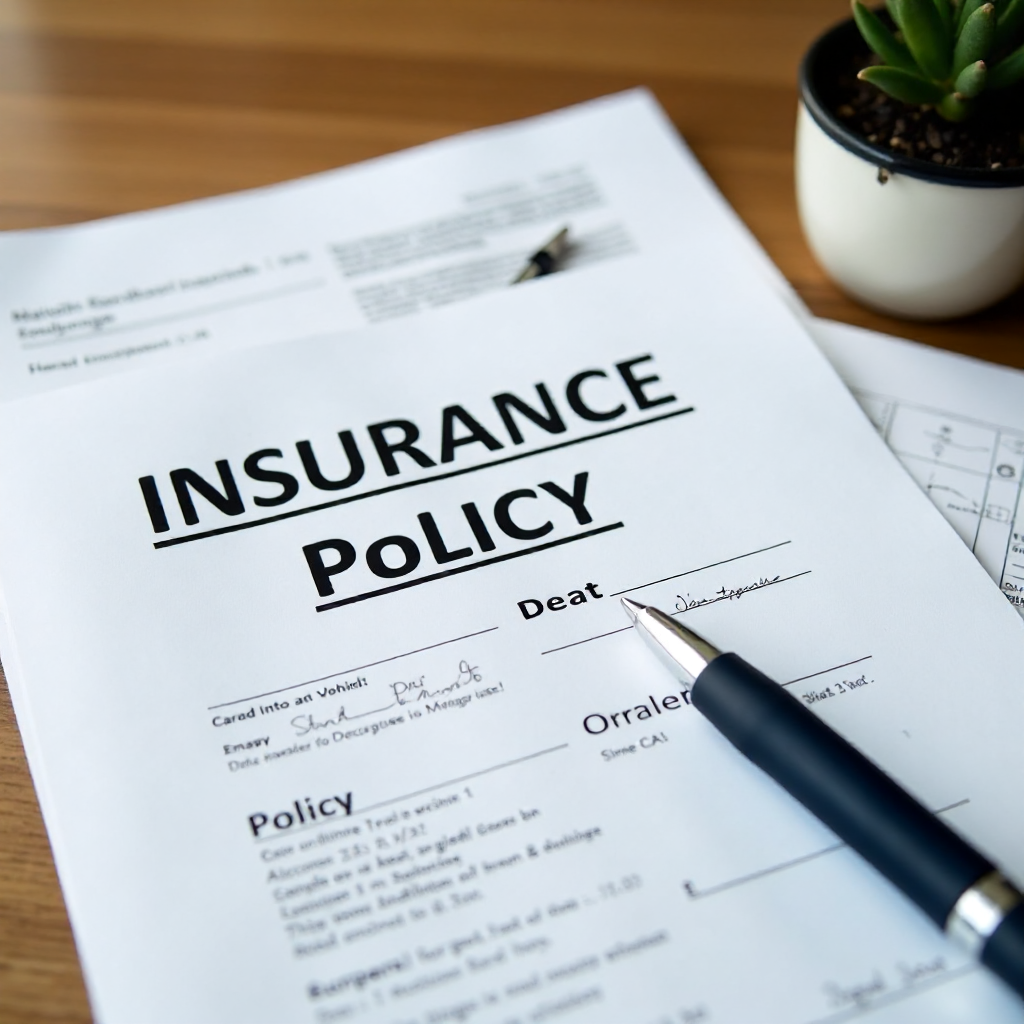
What Corporate Event Insurance Typically Covers — and What It Doesn't
Most corporate event policies cover third-party bodily injury, property damage, and venue liability as standard inclusions. Cancellation coverage, liquor liability, and hired/non-owned auto coverage are common add-ons. Here's a clearer breakdown:
Typically covered:
- Guest injuries occurring at the event
- Accidental damage to the rented venue
- Vendor-caused incidents where your company is held liable
- Event cancellation due to covered perils (weather, venue closure, illness)
- Alcohol-related incidents (with liquor liability endorsement)
Typically excluded:
- Intentional acts or criminal behavior
- Cancellations due to poor ticket sales or budget cuts
- Damage to your own company's property (covered by separate commercial property insurance)
- Communicable disease or pandemic-related cancellations (exclusions vary — always read the policy)
- Pre-existing conditions or known risks at the time of purchase
The exclusions matter as much as the inclusions. Always read the policy language carefully, and ask your broker directly about any scenario that concerns you before signing.
Factors That Affect Your Premium
Corporate event insurance premiums vary based on several interconnected factors. Understanding them helps you budget accurately and avoid surprises when you request a quote.
- Attendee count: More guests means more exposure. A 50-person board dinner carries far less risk than a 2,000-person industry conference.
- Event duration: A multi-day event costs more to insure than a single-day function, simply because the exposure window is longer.
- Alcohol service: Events with open bars or hosted liquor service attract higher premiums due to the elevated liability risk.
- Venue type: An outdoor festival has different risk characteristics than a hotel ballroom. Unusual venues or those with limited safety infrastructure typically cost more to insure.
- Coverage limits and deductibles: Higher limits and lower deductibles increase premiums. Many businesses find that a $1–2 million general liability limit with a modest deductible hits the right balance.
- Event type and activities: Events involving physical activities, live performances, or pyrotechnics carry higher risk profiles than standard conference formats.
For most standard corporate events — conferences, product launches, client dinners — policies are surprisingly affordable relative to the financial protection they provide. The real cost of skipping coverage often becomes clear only after an incident.
How to Get the Right Policy for Your Event
Getting the right corporate event insurance starts with a clear assessment of your event's specific risk profile, followed by a structured comparison of available policies.
Follow these steps:
- Define your event parameters. Document the date, location, expected attendance, activities, and whether alcohol will be served. Insurers will ask for all of this.
- Review your venue contract. Most venues specify minimum coverage requirements and need to be listed as additional insureds. Know what's required before you shop.
- Assess your existing coverage. Check whether your current commercial general liability policy extends to off-premises events. Many don't — or they cover only employees, not third-party guests.
- Work with a specialist broker. A broker experienced in event or hospitality insurance will know which carriers offer the right coverage for your event type and can negotiate terms on your behalf.
- Request a certificate of insurance. Once your policy is bound, obtain a certificate of insurance promptly. Venues and co-sponsors will need this document as proof of coverage before the event proceeds.
Purchase your policy as early as possible — ideally at the same time you sign the venue contract. Event cancellation coverage, in particular, only protects against events that occur after the policy is in force, not before.
Common Mistakes to Avoid When Buying Corporate Event Insurance
Even experienced event organizers make coverage errors that leave them exposed. Here are four mistakes worth knowing before you buy.
Assuming Existing Business Insurance Is Enough
Many companies assume their commercial general liability policy automatically covers hosted events. In practice, most standard business policies exclude off-premises events or cap coverage in ways that fall short of venue requirements. Always verify with your broker rather than assuming.
Skipping Liquor Liability Because It Seems Optional
If alcohol is being served, liquor liability isn't optional — it's critical. A single alcohol-related incident can generate claims that dwarf the cost of the endorsement. Companies that skip it often discover the exclusion only after filing a claim.
Waiting Too Long to Purchase
Buying insurance the week before an event limits your options and eliminates cancellation coverage for anything that's already happened or been announced. Give yourself at least 30 days, and ideally purchase at the time of booking the venue.
Underreporting Attendee Numbers
Quoting a lower attendance figure to reduce premiums is a mistake that can invalidate coverage. If a claim arises and the actual attendance significantly exceeded what was reported, the insurer may deny or reduce the payout. Report accurately.
Frequently Asked Questions
Is corporate event insurance required by law or just by venues?
It's rarely required by law, but it is frequently required by venues as a contractual condition of rental. Even when it's not mandated, the financial and legal exposure of hosting an uninsured event makes it a standard business practice rather than an optional extra.
Can a one-day corporate event be covered under a short-term policy?
Yes. Short-term event policies are specifically designed for single-day or multi-day events and are widely available. They're often more cost-effective than adding a rider to an annual business policy for a one-off event.
Does general business insurance already cover company events?
Sometimes partially, but rarely completely. General business policies may cover employee-related incidents but often exclude third-party guests, off-premises locations, or alcohol service. Always confirm the scope of your existing policy before assuming it's sufficient.
How far in advance should I purchase event insurance?
Purchase as soon as you've committed to the event — ideally when you sign the venue contract. This ensures cancellation coverage is active from the start and gives you time to meet any documentation requirements the venue has.
What documentation does an insurer typically require to issue a policy?
Insurers typically ask for the event date and location, estimated attendance, a description of activities, whether alcohol will be served, and the venue's insurance requirements. For larger events, they may also request vendor contracts or a site plan.
Corporate event insurance is one of the more straightforward investments in responsible event planning — the coverage is accessible, the process is manageable, and the alternative (absorbing a major liability claim out of pocket) is a risk no business needs to take. Getting the right policy in place before your next event is simply good practice.