Why Every Marketing Event Needs Liability Coverage
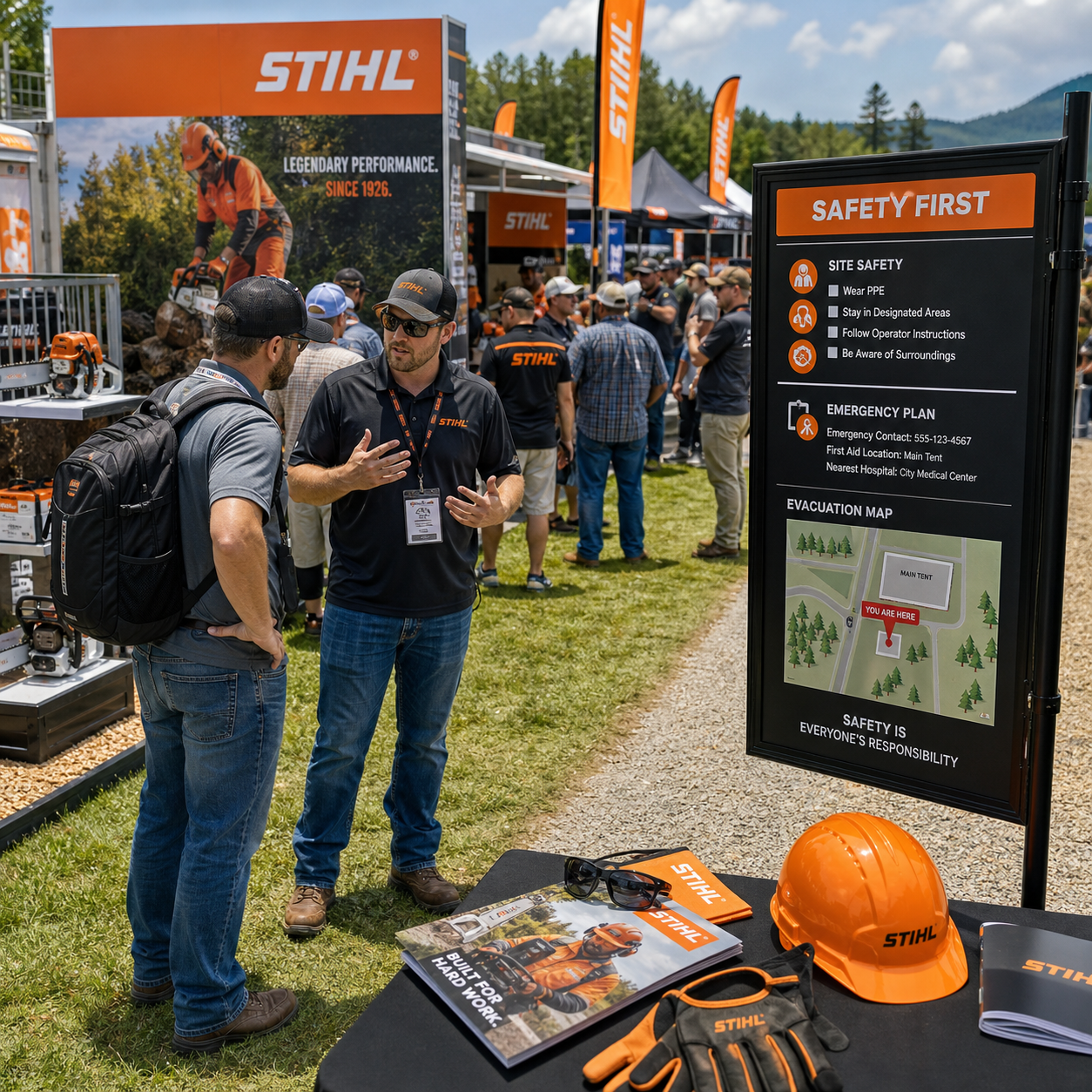
A marketing event can create valuable face-to-face connections, but it also brings people, property, products, equipment, and third-party services into one place. Event liability insurance helps protect the event organizer and other responsible parties when an attendee, venue, vendor, or member of the public alleges bodily injury or property damage.
Coverage is not a substitute for safe planning, contracts, or professional advice. Policies contain limits, exclusions, conditions, and definitions that vary by insurer and location. Still, arranging suitable protection before guests arrive is one of the most practical steps in responsible event management.
Marketing Events Create More Liability Risks Than Expected
Marketing events create liability risks because attendees, staff, venues, equipment, activities, and third parties interact in an uncontrolled environment. Even a short product launch, pop-up activation, trade-show booth, or campaign event can expose several organizations to the same incident.
Consider the physical setting first. Guests may trip over cables, slip on a wet floor, collide with temporary displays, or fall while using stairs or platforms. Crowds can make hazards harder to identify, especially when people are moving between demonstrations, registration desks, food stations, and branded installations.
Property creates another layer of exposure. A rented venue may contain expensive flooring, furniture, lighting, artwork, audiovisual systems, or specialist equipment. A careless delivery, spilled drink, unstable display, or incorrect installation could lead to a claim for property damage.
Promotional activities can also increase risk. Product demonstrations, sampling, contests, photo booths, driving experiences, sporting activities, inflatables, cooking demonstrations, and temporary structures may require additional underwriting or separate protections. The more unusual the activity, the more important it becomes to describe it accurately to the insurance provider.
There are operational risks as well. Vendors and contractors may deliver late, install equipment incorrectly, or cause damage while working. Staff members may give instructions that an attendee misunderstands. Sponsors may bring their own materials or products, creating uncertainty about who controls the activity and who should respond to a claim.
What Event Liability Coverage Can Help Protect Against
Event liability coverage can help respond to eligible third-party claims involving bodily injury, property damage, and certain accidents connected with the marketing event. Whether a claim is covered depends on the policy wording, the facts, applicable exclusions, and the selected limits.
A typical public liability section may address allegations that the event organizer was legally responsible for an attendee’s injury. For example, a guest could report an injury after slipping near a registration area. The policy may help with covered defense costs, settlements, or judgments, subject to its terms and limits.
Property damage claims can involve the venue or another person’s belongings. A guest’s equipment might be damaged by an event installation, or a contractor could accidentally damage a wall while mounting signage. Liability coverage generally focuses on damage to third-party property, not automatically on every item owned, leased, or controlled by the organizer.
Product liability deserves separate attention when an event includes samples, merchandise, food, cosmetics, connected devices, or other products. If someone alleges that a product caused injury or damaged property, public liability alone may not provide the intended protection unless product-related exposure is included. Product liability can also involve a manufacturer, distributor, sponsor, or vendor, so contracts and policy responsibilities should align.
Coverage may also apply to certain promotional operations, but assumptions can be dangerous. A policy that responds to a standard exhibition may exclude pyrotechnics, alcohol service, amusement devices, water activities, animals, athletic participation, or professional advice. Provide a complete description rather than relying on a broad event label.
Common Types of Coverage to Consider
The main coverage types to consider are public liability, product liability, and protection for hired or rented equipment. Additional insured arrangements may also matter when a venue or contract requires another party to be listed.
Public liability
Public liability is the foundation for many marketing events. It is designed for third-party allegations of bodily injury or property damage arising from the event’s operations. It may be relevant to conferences, experiential campaigns, trade shows, grand openings, community activations, and temporary promotional installations.
Product liability
Product liability is relevant when the event distributes, serves, demonstrates, or sells products. Food and beverage sampling deserves particular care because preparation, storage, allergens, and serving practices may affect both risk and coverage. Confirm whether the organizer, vendor, sponsor, or manufacturer carries responsibility.
Hired or rented equipment
Liability insurance does not automatically cover damage to equipment rented by the organizer. A separate hired-equipment, inland marine, property, or rental protection arrangement may be appropriate, depending on the contract and policy structure. Review who bears the risk while equipment is being transported, installed, used, and returned.
Additional insured requirements
A venue may require the event organizer to add the venue as an additional insured. This arrangement can provide specified protection to the venue for covered claims connected with the organizer’s operations, but it does not erase the venue’s own responsibilities or expand the policy beyond its wording. Ask the insurer or broker to confirm exactly what the endorsement provides.
Who Needs Coverage for a Marketing Event?
The event organizer usually arranges core coverage, but businesses, agencies, vendors, sponsors, contractors, and venues may each need their own protection. Responsibility should be assigned in writing rather than assumed from a job title or purchase order.
The event organizer or sponsoring business typically controls the overall plan, hires suppliers, signs the venue agreement, and decides which activities will take place. That makes the organizer a central insurance applicant, even when an agency manages production.
A marketing or experiential agency may carry its own commercial liability policy, but that policy may not automatically cover every event, client, location, or high-risk activity. The client should request evidence of insurance and understand whether the agency’s coverage is primary, shared, or limited by contract.
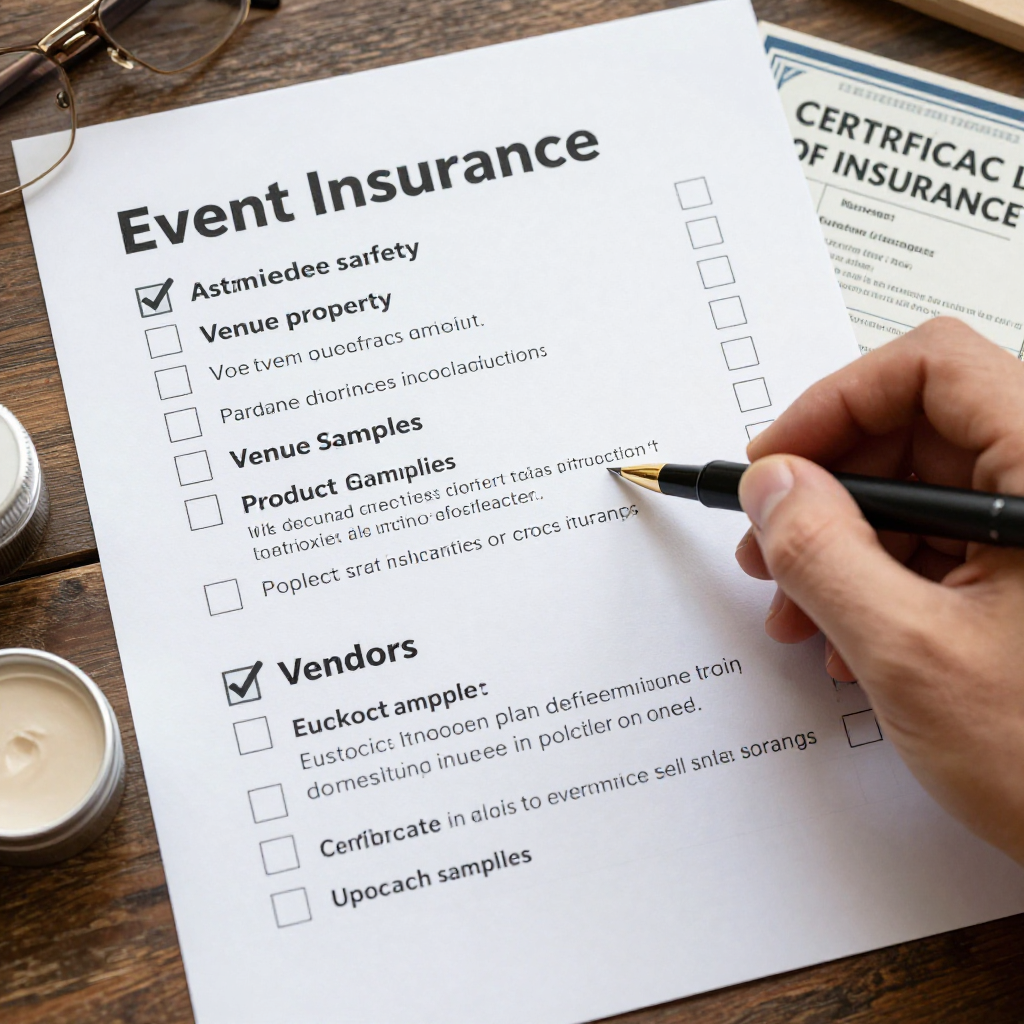
Vendors and contractors should generally maintain coverage appropriate to their work. Caterers, security companies, temporary-staff providers, entertainers, audiovisual technicians, builders, and equipment suppliers can create distinct exposures. Request a certificate of insurance where appropriate, then check whether the certificate reflects current dates, relevant coverage, and required limits. A certificate is evidence of insurance, not the policy itself and not a guarantee that a claim will be paid.
Sponsors and exhibitors may also need coverage for products, demonstrations, staff, and materials they bring. The venue may have its own insurance, but venue coverage typically does not replace the organizer’s responsibility for the event’s operations. Read the contract closely, especially indemnity, insurance, cancellation, and damage provisions.
Key Policy Details to Review Before Buying
Review the policy limits, exclusions, event dates, locations, activities, deductibles, and documentation requirements before buying event liability insurance. The cheapest quote may be unsuitable if it omits a central activity or cannot satisfy the venue’s conditions.
- Coverage limits: Confirm the per-occurrence and aggregate limits, and ask whether the venue requires a specific amount. A limit is not a prediction of loss; it is the maximum payable under applicable terms.
- Event dates and location: Include setup, rehearsals, teardown, storage, and multiple venues when relevant. A policy limited to the public event hours may leave preparation activities outside the intended protection.
- Covered activities: Describe demonstrations, sampling, alcohol service, contests, physical participation, temporary structures, vehicles, performers, and special effects accurately.
- Exclusions: Check exclusions for alcohol, pollution, professional advice, intentional acts, communicable disease, employee injuries, owned property, rented property, and high-risk entertainment. Some exposures need separate insurance.
- Deductibles and defense: Understand what the organizer pays first and whether defense costs reduce the liability limit.
- Contractual requirements: Compare the policy with venue and vendor agreements. Look for additional insured wording, primary and noncontributory language, waiver provisions, and required certificates.
Common mistakes include describing a multi-day activation as a one-day event, failing to disclose product samples, and assuming a certificate of insurance proves coverage for every activity. Correct inaccurate information before the event begins. A qualified insurance professional can explain the actual wording for the relevant jurisdiction and risk profile.
How to Arrange Coverage Before the Event
To arrange coverage, document the event, identify its risks, confirm contractual requirements, obtain suitable quotes, and secure the required insurance documents before setup begins. Starting early gives the organizer time to resolve exclusions or request changes.
- Build an event fact sheet. Record the event name, dates, setup and teardown periods, locations, expected attendance, organizer, sponsors, vendors, contractors, and estimated budget.
- List every activity. Include product demonstrations, food or beverage sampling, alcohol, contests, performances, physical participation, vehicles, temporary structures, and any unusual attraction.
- Review venue requirements. Ask for the venue’s insurance clause, required liability limit, additional insured wording, certificate instructions, and submission deadline.
- Collect supplier information. Obtain contracts and certificates from vendors and contractors where appropriate. Verify that their coverage matches the work they will perform.
- Ask targeted questions. Confirm public liability, product liability, rented equipment, setup and teardown, subcontractors, exclusions, deductibles, and claim reporting obligations.
- Check the final documents. Make sure names, dates, locations, activities, limits, and additional insured details are correct. Send the certificate of insurance to the venue before its deadline.
Do not wait until the day before the event. Some risks require referral, extra underwriting, or a separate policy, and changes can take time. Keep the application, proposal, policy wording, endorsements, contracts, and certificates together so the event team can access them quickly.
Why Liability Coverage Is a Core Part of Event Planning
Liability coverage is a core part of event planning because it supports financial protection, contractual compliance, and confidence in delivering the event safely. It helps the organizer prepare for third-party claims without treating an unexpected incident as an entirely uninsured business problem.
The value extends beyond the organizer. Clear insurance responsibilities help venues evaluate risk, help vendors understand their obligations, and give sponsors a more structured way to participate. Insurance also encourages better planning because the application process forces the team to identify activities, suppliers, locations, and potential hazards.
Protection has limits. It cannot prevent an accident, guarantee payment, replace workers’ compensation or employer liability coverage, insure every item of property, or remove the need for contracts and safety controls. Coverage must match the event rather than exist as a generic certificate filed away after purchase.
Frequently asked questions
What does marketing event liability insurance typically cover? It may cover eligible third-party claims alleging bodily injury or property damage arising from the event, subject to policy terms, exclusions, conditions, and limits. Product liability and rented-equipment protection may require separate consideration.
Is liability coverage required for every marketing event? Requirements vary by location, venue, contract, activity, and business circumstances. A venue may require a certificate even when a law does not expressly require a specific event policy. Confirm the applicable requirements locally.
Does event insurance cover vendors and contractors? It may cover the organizer’s vicarious or operational exposure in certain circumstances, but vendors and contractors commonly need their own insurance. Contracts should explain responsibility, indemnity, and evidence requirements.
What information is needed to obtain event liability coverage? Providers commonly need the event dates, location, attendance, organizer details, activities, products, vendors, contractors, venue requirements, and requested limits. Accurate information matters because undisclosed activities may be excluded.
How far in advance should coverage be arranged? Arrange it as soon as the event details and venue contract are available. Early planning is especially important for unusual activities, multiple locations, large attendance, alcohol, temporary structures, or strict certificate deadlines.
For event-specific guidance, review the full policy wording and speak with a qualified insurance professional who understands the event’s location, contracts, activities, and participants.